Discover why this place means so much to us
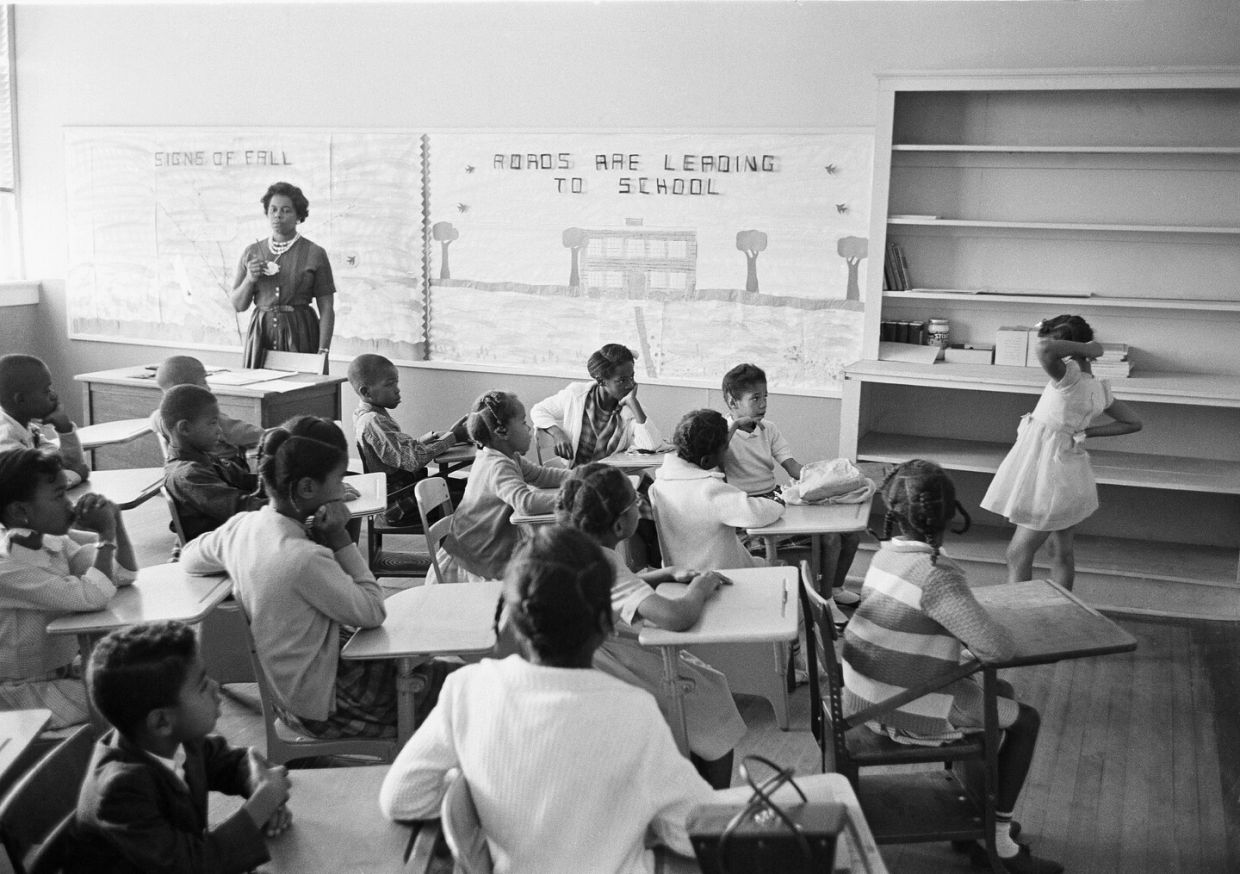
Initially constructed around 1928, the Mary E. Branch Elementary School building served as a site of education and community building for thousands of African American students in Prince Edward County during Jim Crow-era school segregation. In 1959, when the county chose to close their public schools instead of integrate, the Mary E. Branch Elementary School was forcibly shuttered for five years, unjustly denying the county’s African American students access to a public education. Mary E. Branch Elementary School was finally reopened in 1964 as Free School #1 with private funding from the federal government, and would fully reopen as a public and integrated school the next school year. The building was ultimately retired from serving as a school in 1970. Today, the Mary E. Branch Elementary School building is a cherished place of community remembrance and also a important historical site.
Initial Construction

Before the Mary E. Branch building was constructed, the site was occupied by a previous African American school, identified on a 1918 Sanborn Fire Insurance Map. While the Mary E. Branch building was a brick two-story structure, the earlier school was a frame (wooden) construction, and one story tall. This earlier school suffered from severe overcrowding at the end of its lifespan, and was described as “poorly equipped” and “absolutely inadequate for proper instruction” in the Farmville Herald.
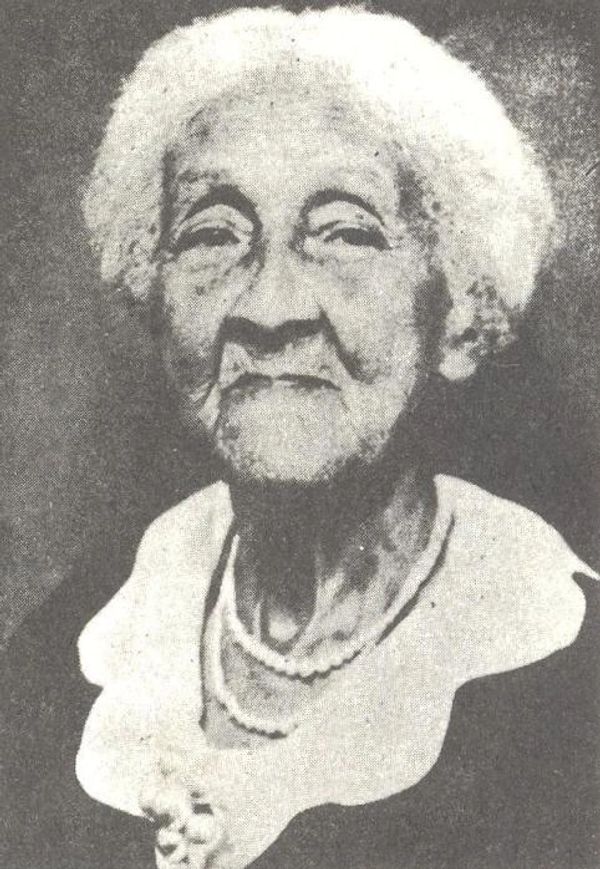
Martha E. Forrester
Martha E. Forrester, a Farmville activist, served as a co-founder and longtime president of the Farmville Council of Colored Women (later renamed the Martha E. Forrester Council of Women in her honor). Forrester and the Council petitioned the Prince Edward County School Board for a new African American school for years.
Eventually, the school board agreed to provide a new African American school. However, the school was proposed to be a one-level brick elementary school, instead of the high school that the Council had pushed for. The Council continued to petition the School Board, and was ultimately successful in achieving plans for a larger two-story school that would serve eleven grades. The school was initially known as the Farmville Colored School or Farmville Training School.
The Rosenwald Fund

Rosenwald Design principles
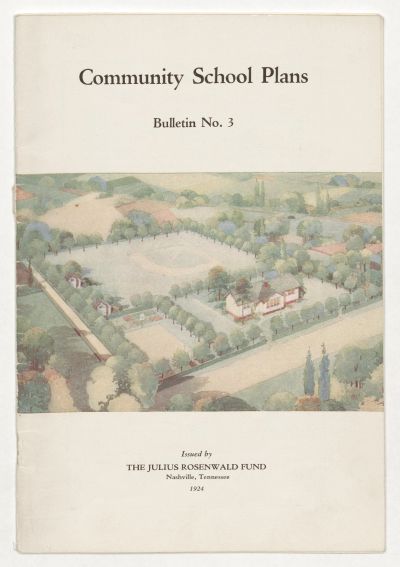
Although the Rosenwald Fund’s contribution to the Mary E Branch School represents less than twenty percent of the school’s overall cost, receiving any funding from the Rosenwald Fund meant that the school was required to follow design guidelines and operational procedures laid out by the Rosenwald Fund.
Site Size
The minimum site requirement for a Rosenwald School was two acres, as opportunity for recreation on school grounds was important to the Fund’s vision for a well-rounded education. At two acres, the site of the Mary E Branch school met this minimum requirement. The large yard in between the school’s front entry and Main Street was utilized for recess.
Natural Lighting
Classrooms within Rosenwald Schools were required to face east or west to achieve desirable daylighting, as many rural schools in the early twentieth century did not have access to electricity. The classroom windows in Mary E Branch are all east or west facing, and were double-hung to allow for ventilation.
Community Space
In addition to serving as educational space for the student population, schools were expected to also benefit their surrounding communities. The Mary E Branch School also offered night classes to adults, and served as the site of after-school cultural offerings, including theatrical and musical productions.
Building Layout
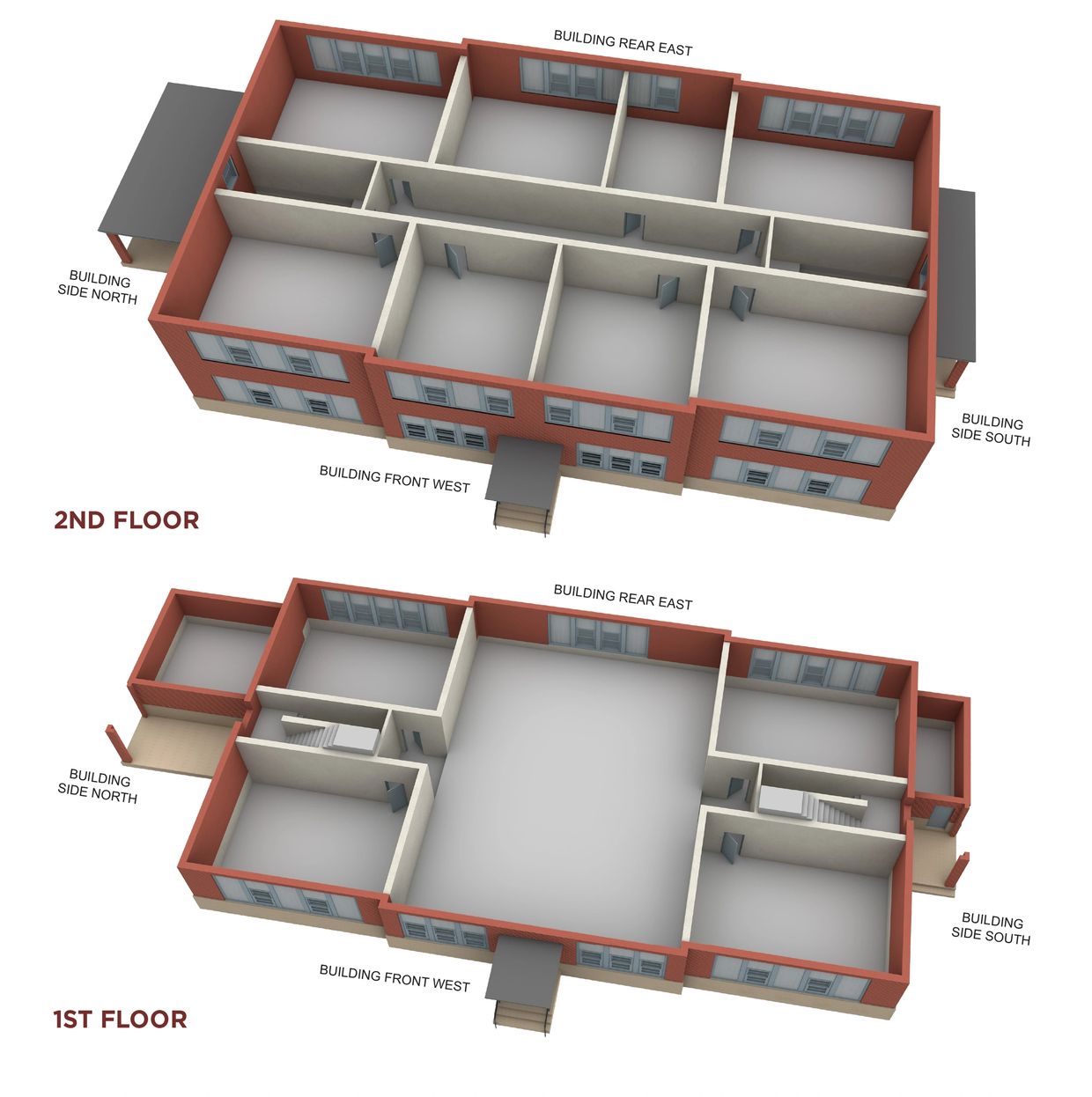
The Mary E Branch Elementary School contained 11 classrooms, a library, and an auditorium. Restrooms were located in the wings on either side of the first floor.
The Original R.R. Moton High School
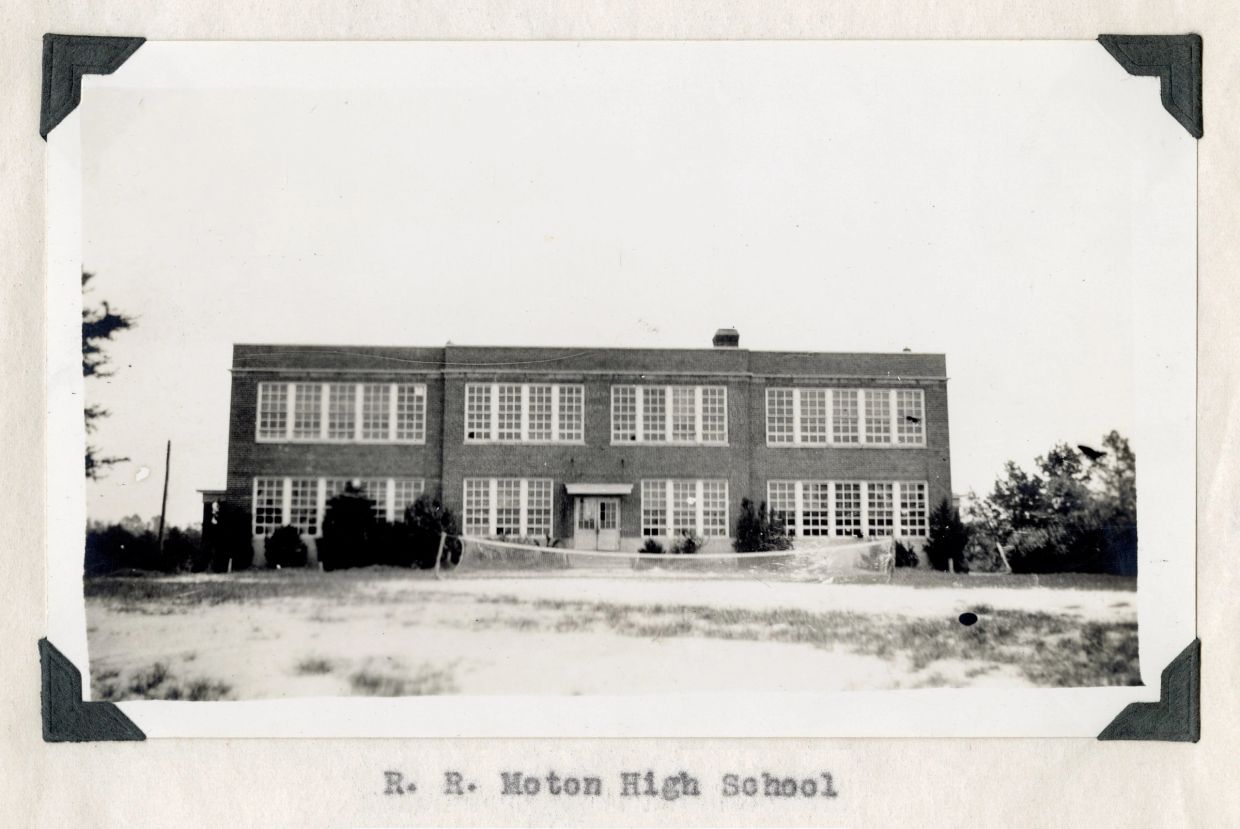
After high school accreditation was introduced to Prince Edward County in 1930, the Farmville Training School achieved accredited status in 1931. The school was renamed the Robert Russa Moton High School, although it continued to serve both elementary and high school students until 1939.

A 1932 Farmville Herald article described a slice of life at the first R. R. Moton High School.
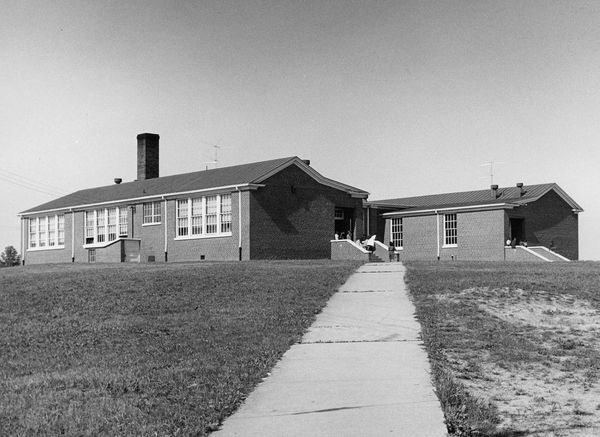
The standalone Robert Russa Moton High School (today operated as the Moton Museum) opened in 1939. At the time of its construction, separating the high school students from the elementary school students in their own designated building was viewed as an educational achievement for the Farmville African American community. However, the new Moton High School was designed without consideration of future student population growth, and would soon prove to be an inadequate place for learning.
The original Robert Russa Moton High School building was renamed Mary E. Branch Elementary School in honor of Mary Elizabeth Branch, a Farmville-born educator who served as the first female president of Tillotson College (now known as Huston-Tillotson University).
Prince Edward County School Closures
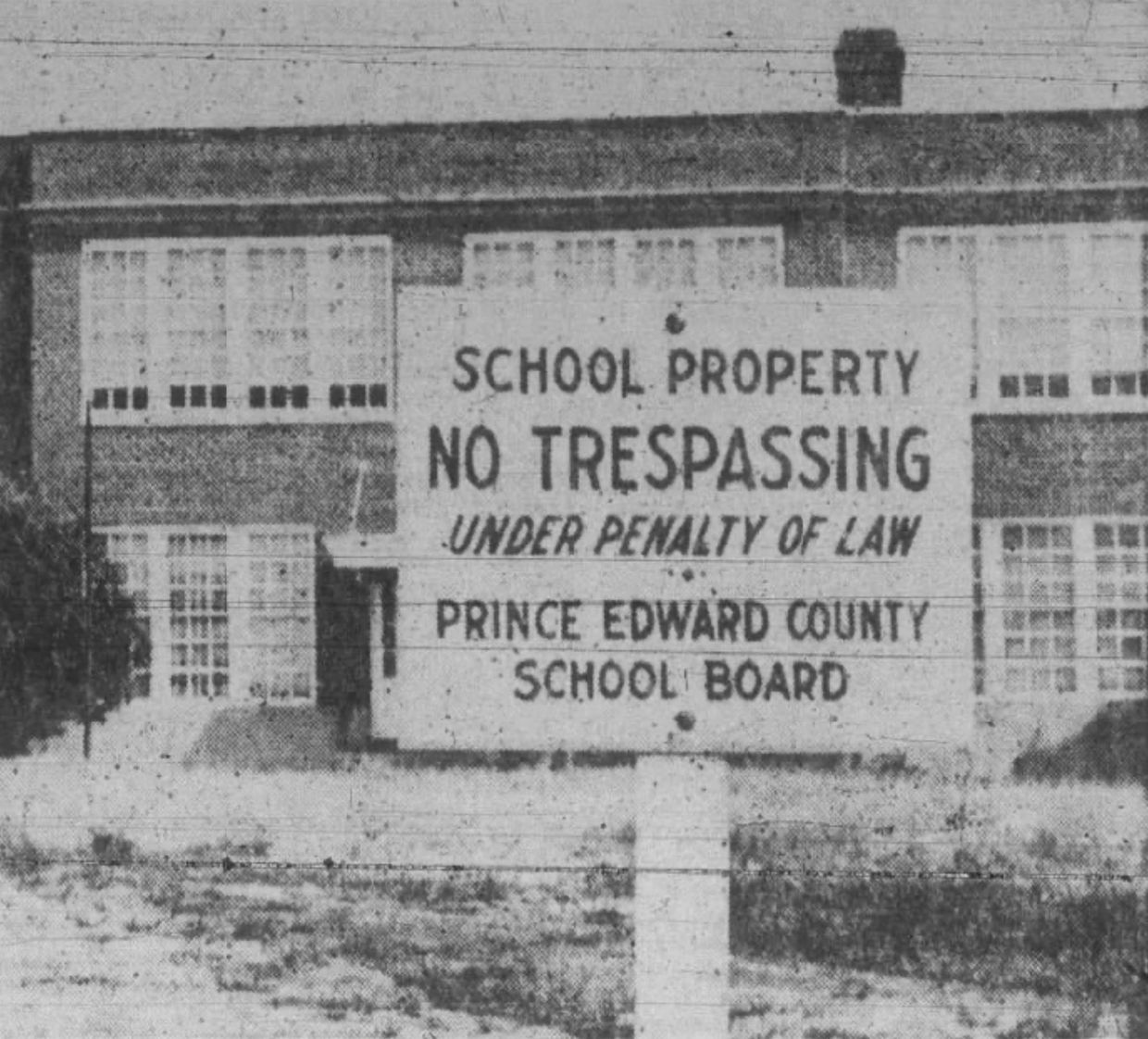
From 1959-1964, Prince Edward County took the devastating step of closing public schools instead of adopt school integration as mandated by Brown vs. Board of Education. For more information about the Prince Edward County school closures, please visit the Moton Museum's "The Moton School Story," a digital exhibit chronicling the fight for educational equality in Virginia.
Separate and Unequal
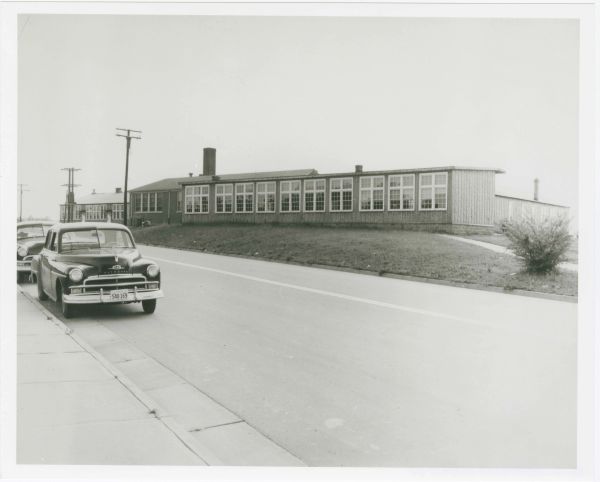
By 1951, conditions at Robert Russa Moton High School had reached an appalling state, especially in comparison with the all-white Farmville High School. The school had been constructed without a cafeteria or gymnasium, which were standard amenities by that time. Supplies and busses at Moton were hand-me-downs from Farmville High. Additionally, Moton High School was severely overcrowded. Multiple classes were regularly held at the same time in the auditorium, and temporary structures known as “tar paper shacks” were constructed on the school grounds to house the overflow population. Students who had class in the shacks complained of an environment that was freezing in the winter, sweltering in the warm weather, and leaked during rainy weather.
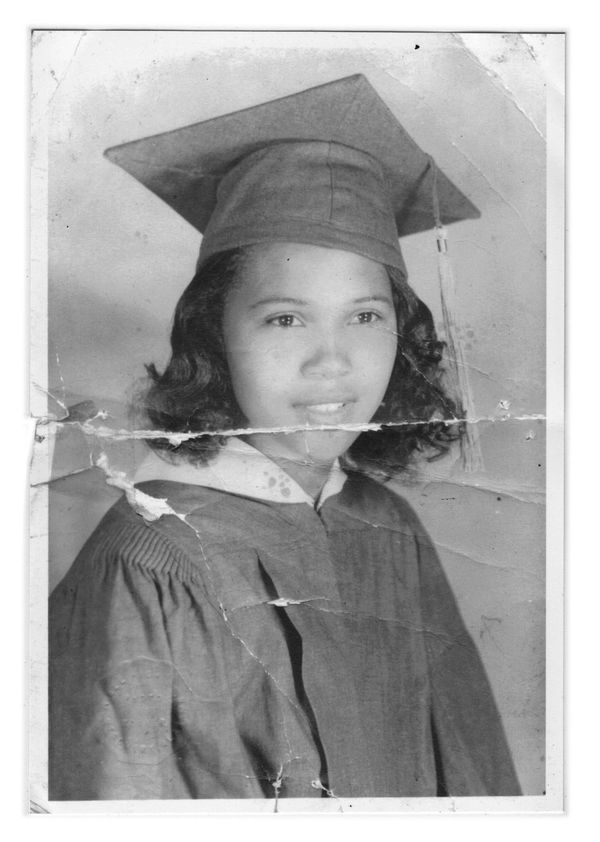
Barbara Johns
Barbara Johns was a student at R. R. Moton High School in 1951. Disturbed by the conditions at Moton, Johns organized a student strike to draw attention to the need for a new African American school. Students marched out of the Moton auditorium and to the Prince Edward County Courthouse, where they informed the school board of their demand for a new facility.
Students contacted NAACP lawyers, who urged the students to seek integration instead of a new segregated school. The resulting lawsuit, Davis vs. County School Board of Prince Edward County, was ultimately one of the cases combined into Brown vs. Board of Education.

Massive Resistance
Although the Brown vs. Board of Education decision was made in 1954, many counties were deliberately slow to integrate. In 1959, under a court order to desegregate the school system, the Prince Edward County School Board instead voted to defund the county's public schools, shuttering their operations. This public school closure would ultimately last five years. During this time, most of Prince Edward County's white students attending the private, segregated Prince Edward Academy. Despite being private and white-only, Prince Edward Academy was funded in part with public tax money and state grants.

Free Schools
In 1963, federal and private funding allowed for the creation of the Prince Edward County Free School Association, which funded the operations of three public schools in Prince Edward County for the 1963-1964 school year. The Mary E. Branch Elementary School, then known as Mary E. Branch #1 (pictured above), was one of the schools opened as a Free School.
Prince Edward County SCHOOls Reopen
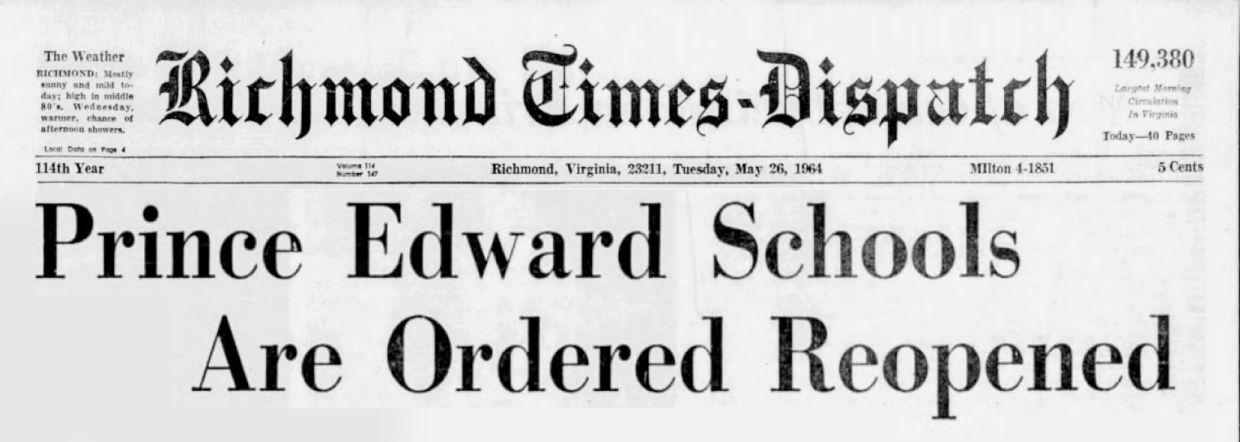
While the Prince Edward County Free School Association was successful in offering a free education to Prince Edward County children, it was intended to be a temporary and emergency measure. As described by Robert Kennedy, the Free Schools were “unnatural and unsatisfactory,” as they were necessitated from Prince Edward County School Board discriminating against the Black student population. In 1964, the Supreme Court decision in Griffin vs. County School Board of Prince Edward County ordered the public school system to reopen. Mary E. Branch Elementary School would operate as an integrated school for five years, although its student population remained primarily Black.
Recreation Center

By 1970, the Mary E Branch Building was over 40 years old. Prince Edward County made the decision to retire and sell several of the County's 1920s- and 30s-era schools, including Rice Elementary School, Green Bay Elementary School, and Mary E Branch Elementary School. In 1971, the Prince Edward County Recreation Association purchased the building for $12,001. Around this time, original windows were covered or removed and replaced with the storm windows visible today.
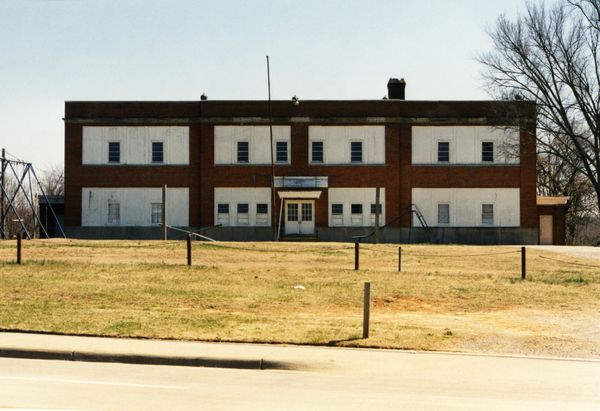
It is unclear when the Recreation Center closed, but by the time of this 2001 photograph, the sign had been removed. The building was vacant for many years before the Mary E. Branch Heritage Center acquired ownership.
A Critical Moment for Preservation
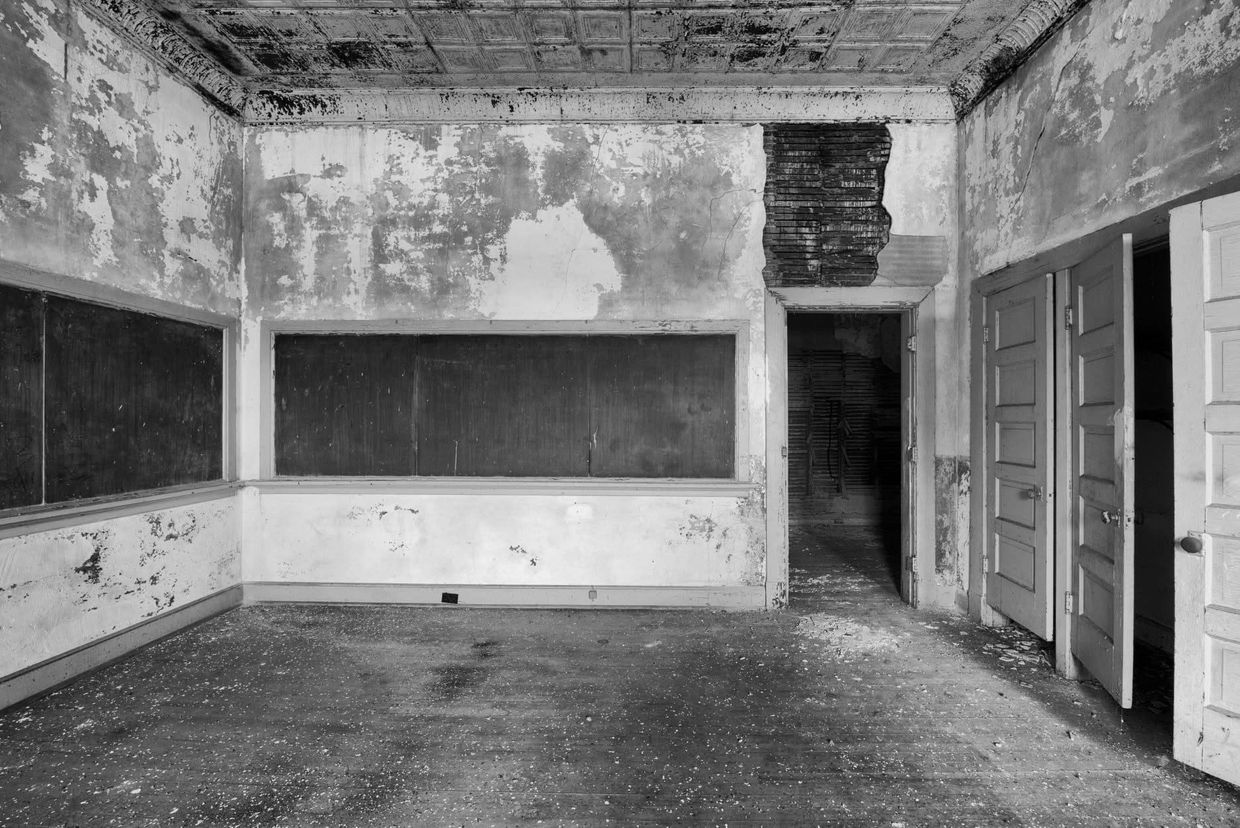
The Mary E. Branch Elementary School building has suffered severe damage during its period of vacancy, including a partially collapsed roof and floor. Rehabilitating the building will require significant funding and effort, and time is of the essence as the building continues to suffer damage from the elements. However, it is not too late. The Mary E Branch Heritage Center and their community partners are working hard to achieve their goal of making the building able to be used again as a community space.